MASTER'S THESIS
The Feasibility Of Using Windcatcher In Residential Building
(Case Study: The Design Of Residential Building In Tehran City)
Supervisor:
Dr. Maria Kordjamshidi
Advisor:
Dr. Mohsen Mousavi
Winter 2015
University Of Mazandaran
Art & Architecture Department
Abstract:
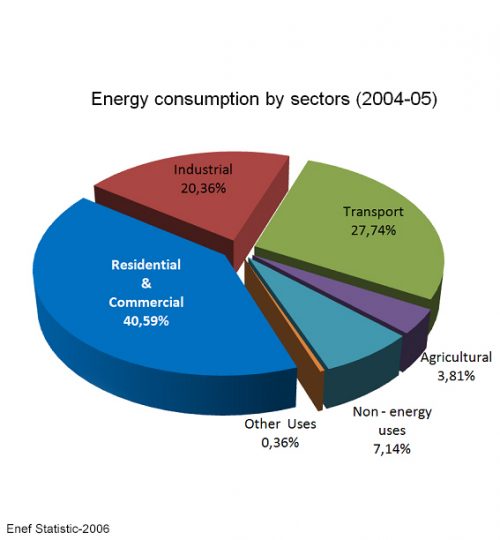
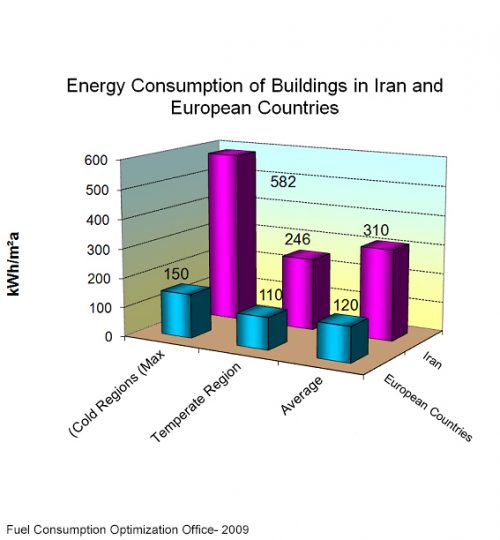
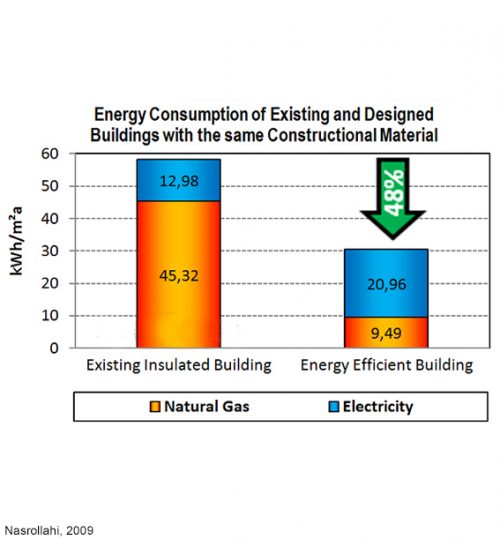
The Buildings allocate approximately 40 percent of the total energy consumption in Iran. Additionally, the domestic sector is one of the largest energy consumers, which uses the most substantial portion of energy to achieve thermal comfort (cooling and heating) inside the building. It is proved that architectural design could considerably decrease energy consumption. Therefore, it is of great necessity to apply energy-efficient alternatives in the thermal design of residential buildings. Since long time ago, one of the most viable solutions had been the use of renewable energy in buildings' design. Iranian traditional architecture has proposed a wide range of climatic approaches with which the indoor air quality could improve considerably. The most popular one is wind-catcher that harness the wind for cooling and natural ventilation inside houses in the hot climates.
This study aims to upgrade the wind-catcher to integrate it into modern residential buildings in the hot and arid regions. To achieve this goal, the wind-catcher was investigated based on both previous studies and computational modeling. Firstly, effective factors on the performance of the wind-catcher were studied. According to the reviewed experiments, an optimized wind-catcher was modeled to analyze the efficiency with the computer. Then, three significant factors that have a big impact on the performance of the wind-catcher were assessed by computational simulation using CFD modelling. The factors include the number of openings, keeping the inner blade wet, and increasing the speed of airflow. The air temperature and air velocity were compared inside the vertical channel and its connected room in different situations.
The final result shows that a one-sided wind-catcher with wet internal walls and a fan installed inside the channel could be a useful alternative for modern residential buildings. The research also proposed a rainwater harvesting system to supply the water needed for spraying internal walls. Furthermore, the use of a moss surface was suggested to be installed inside the channel, where it is in direct connection with airflow. Not only does it remove some air pollutants, but also its water storage property is beneficial for evaporative cooling. It is expected that the construction of wind-catcher will be considered to decrease the use of non-renewable sources of energy and their devastating impacts on the environment.
Keywords:
Wind-catcher, Natural ventilation, Energy Consumption, Wind flow, Vernacular Architecture, Climate.
Chapter1
In the first chapter, the necessity and importance of research on this topic were discussed. The nature of the problem was described in detail.


Chapter2
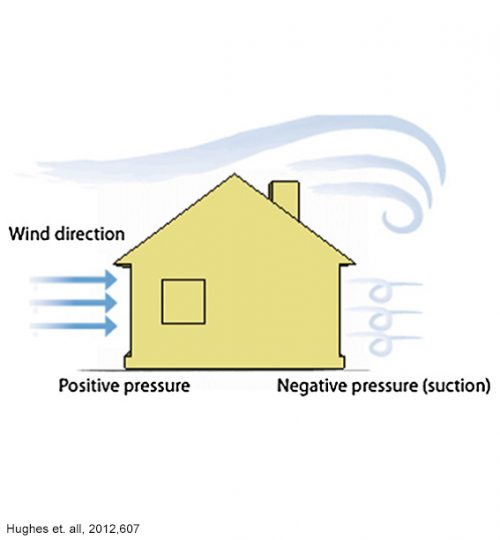
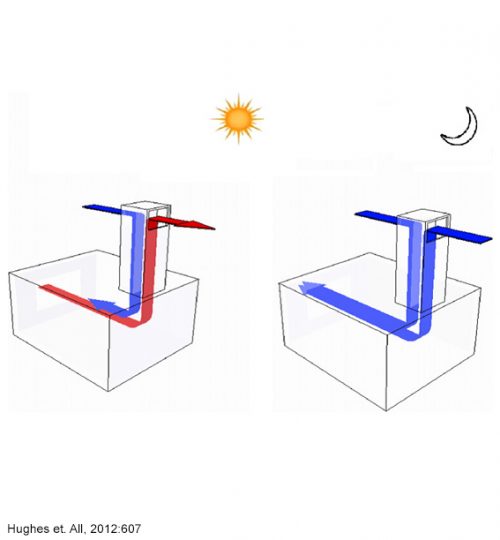
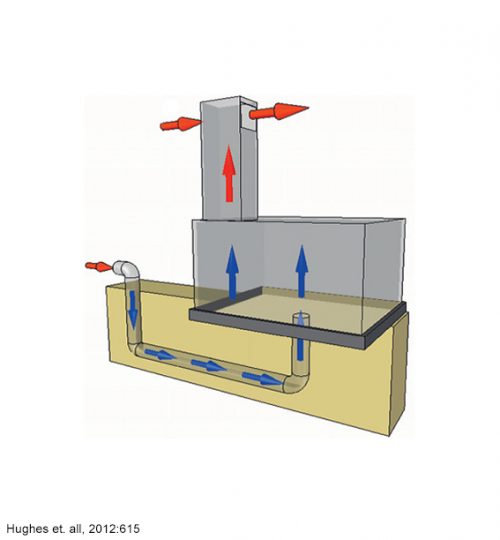
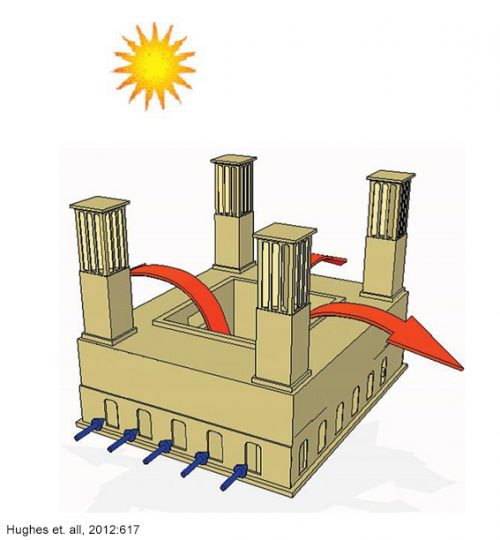
In the second chapter, the theoretical foundations of wind, wind behavior, and wind principles were discussed. Moreover, different forms of windcatcher and their structure were analyzed.


Chapter3
The mechanism and design principles of some traditional and modern windcatchers have been thoroughly analyzed and compared. The design of them was studied in plan and section. Finally, the important policies and factors for today’s construction were extracted from chapter 2 and 3.


Chapter4
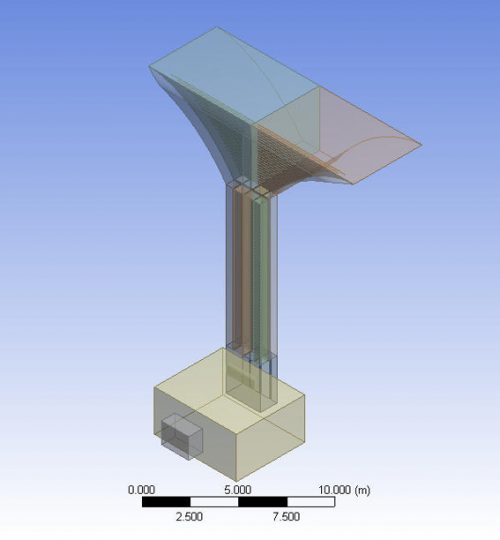
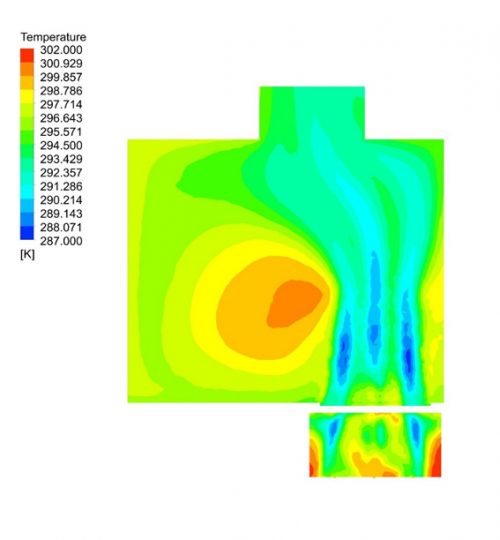
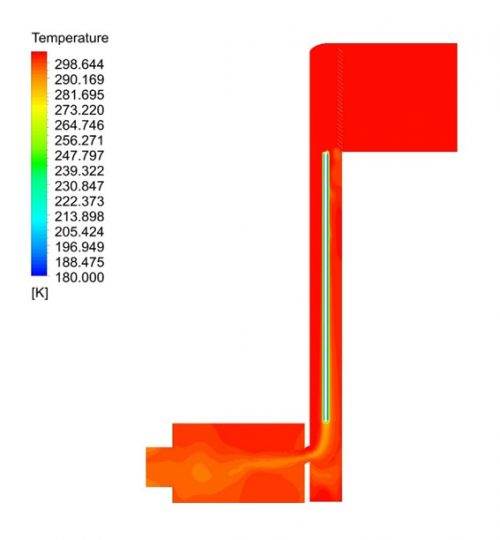
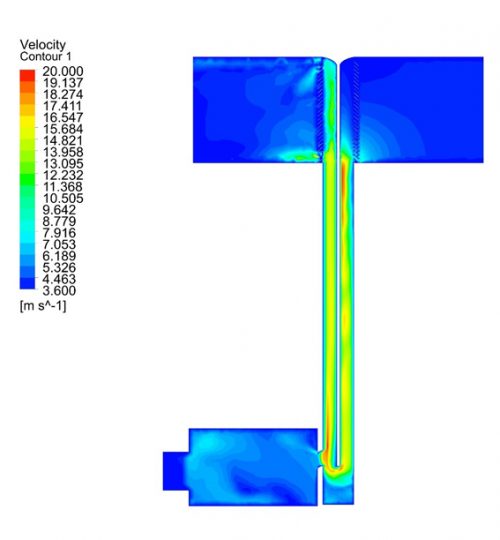
In the fourth chapter, the software, Fluent, was chosen to check the airflow. Thus, the windcatcher was modeled according to extracted factors to measure their impact. Following this, two important questions were answered in this chapter. Firstly, to what extent the windcatcher could affect the temperature reduction in buildings. Secondly, what items could improve efficiency.

Chapter5
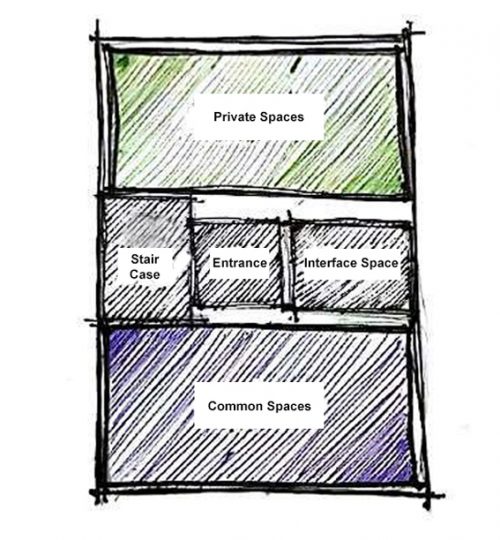
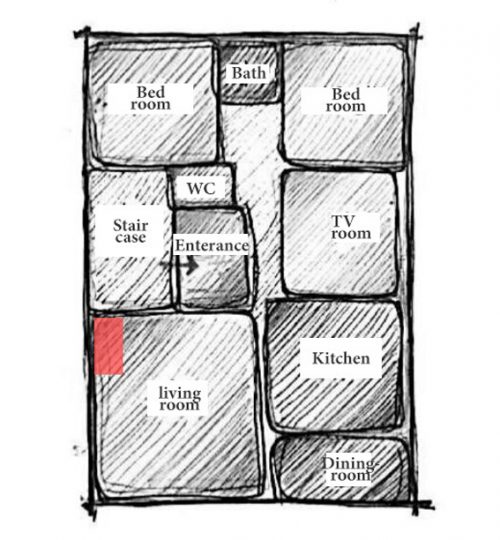
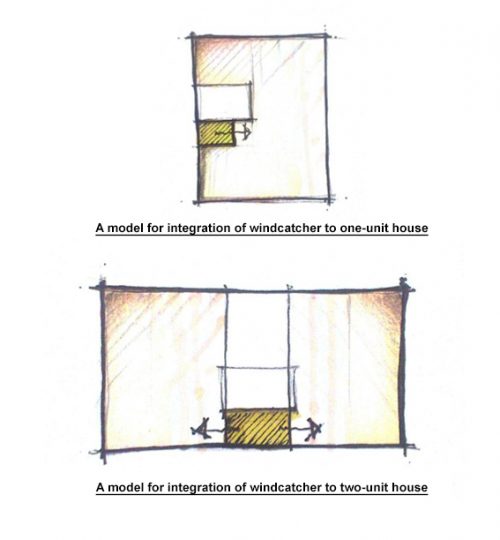
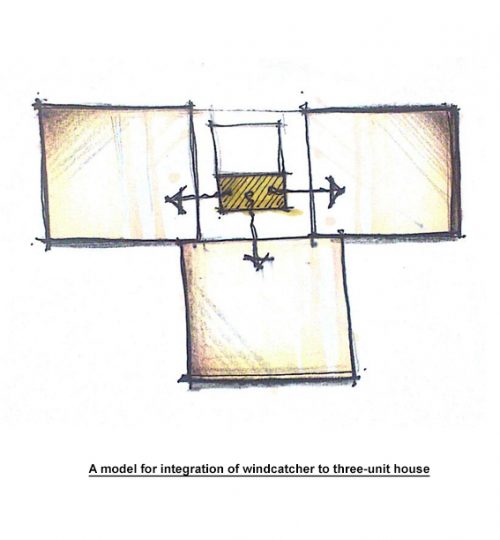
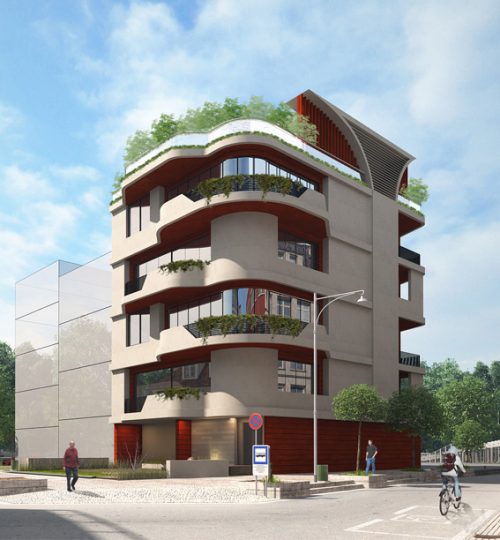
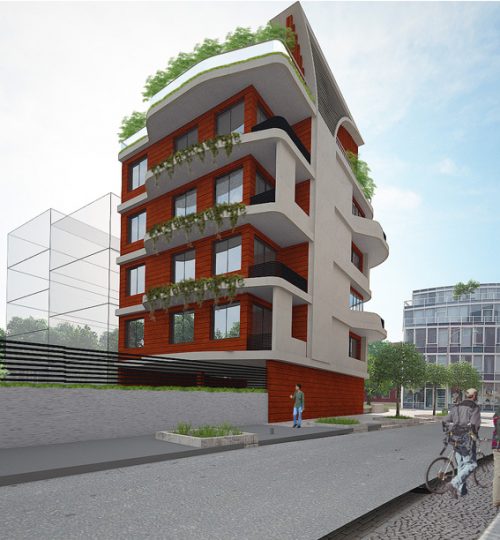
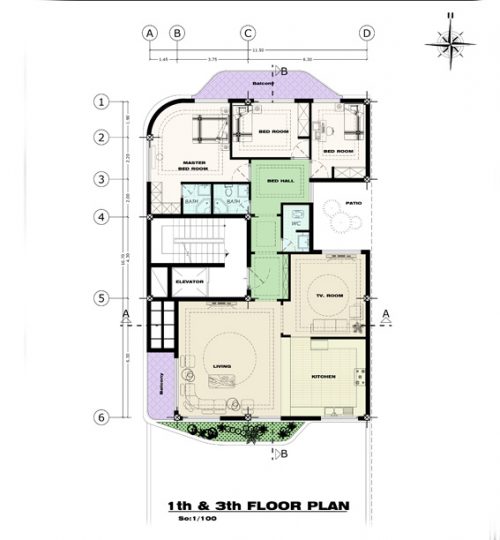
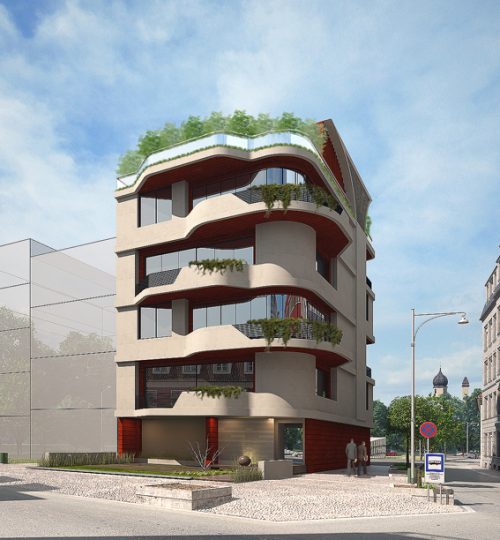
The results obtained from the modeling process were practically used in the design of the residential building. Furthermore, the points which should be taken into account in the residential design were listed.


Chapter6
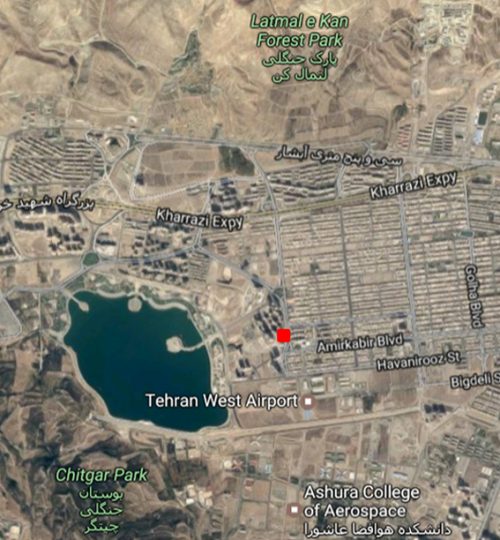
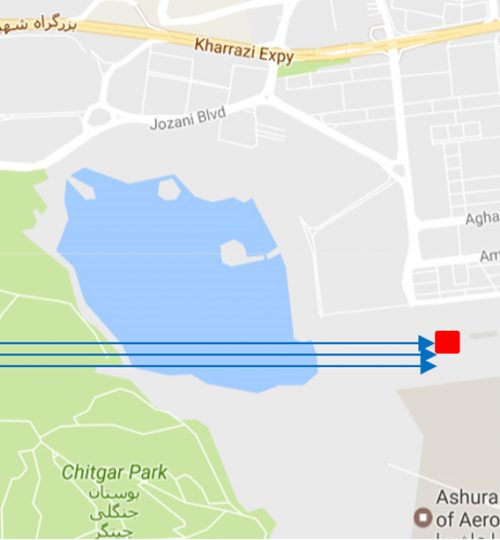
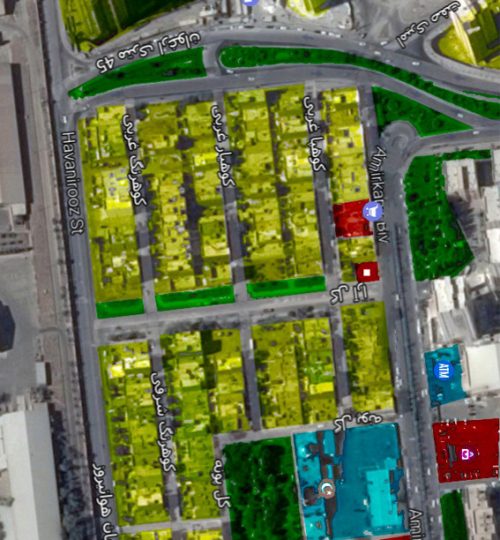
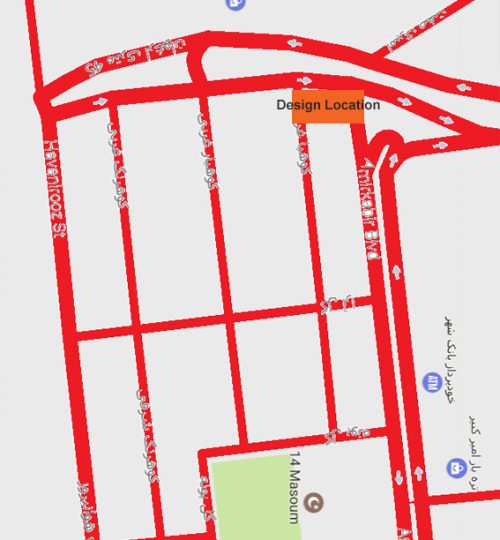
The location of the building was selected in the right place for optimum use of wind and windcatcher.


Chapter7
The design process was shown from the beginning to the end. Eventually, maps and 3d model of the residential building were produced, which proposed as an excellent model to reduce domestic energy consumption in cities.